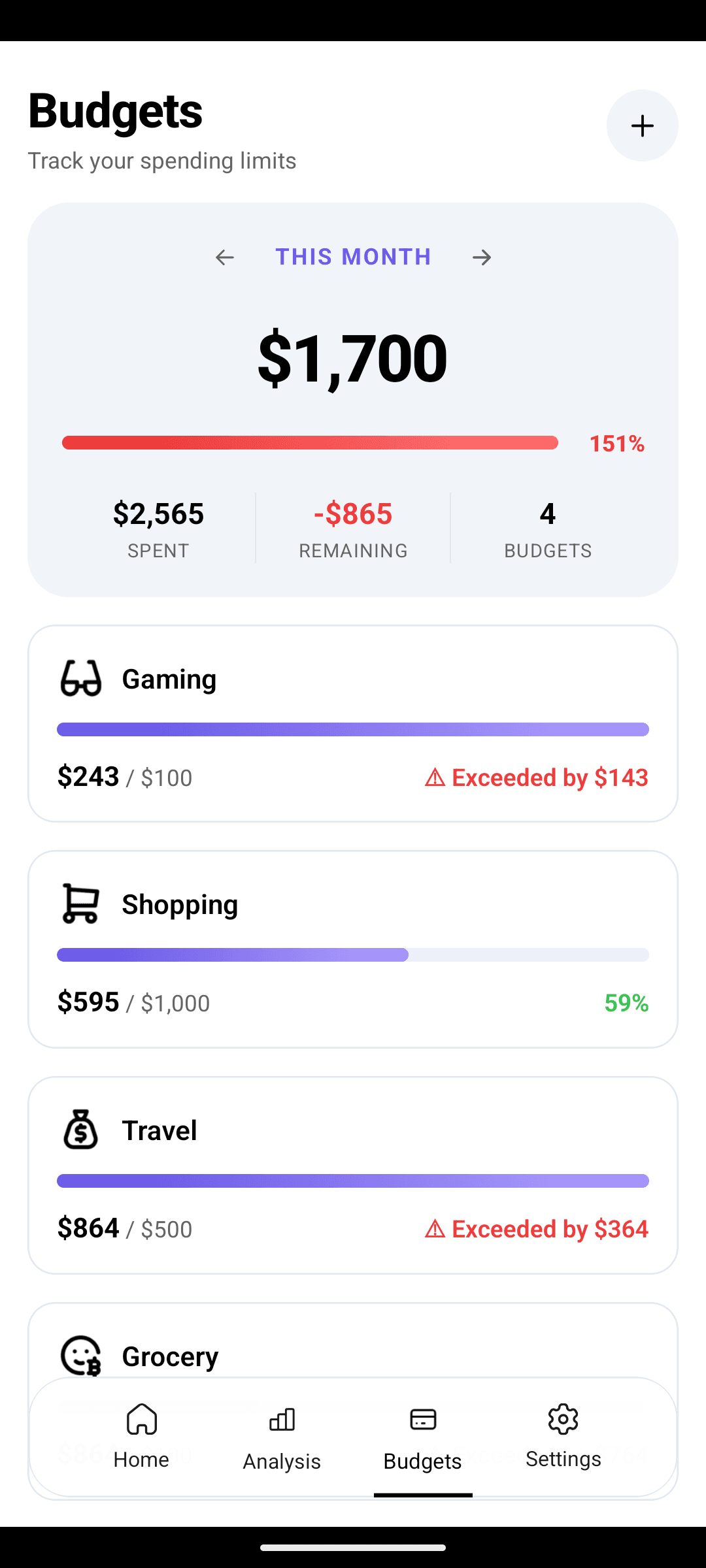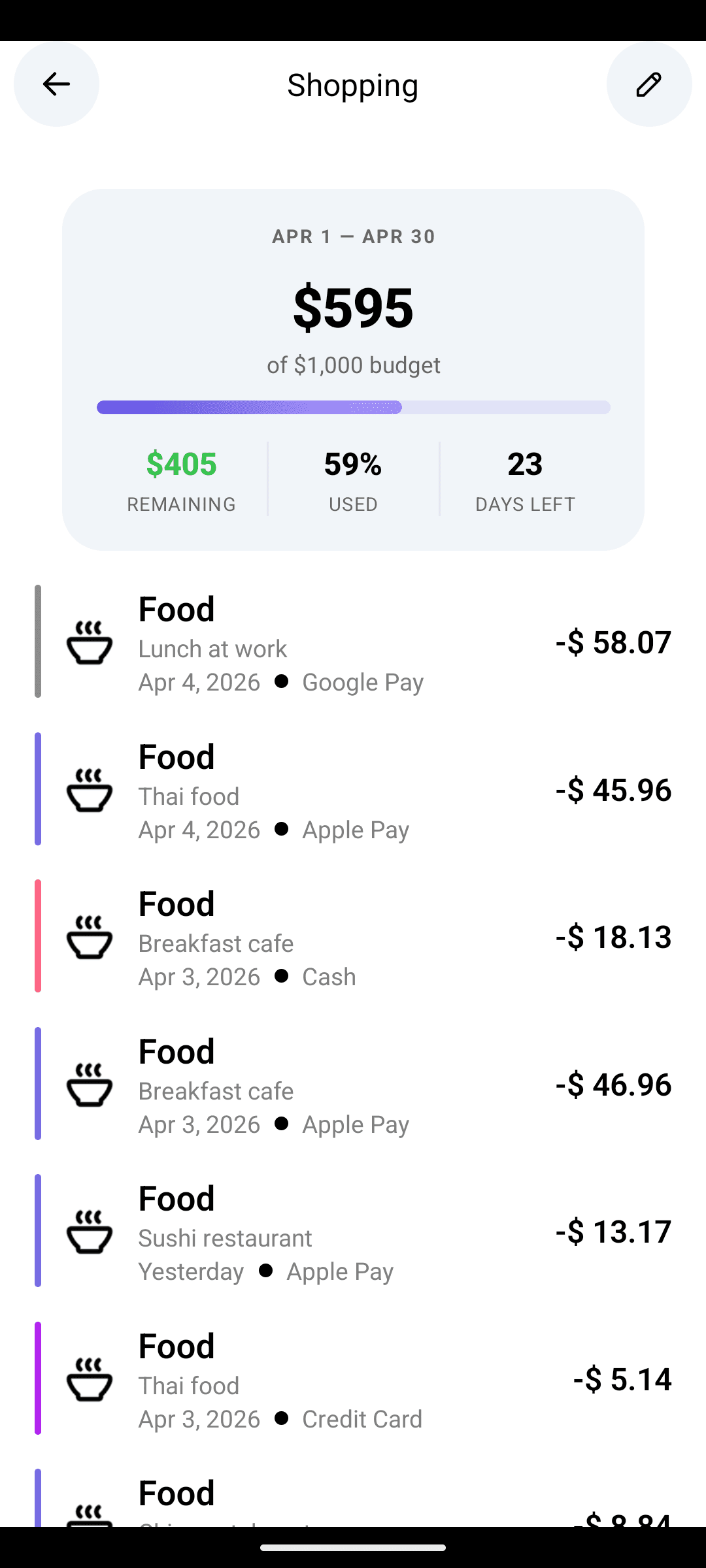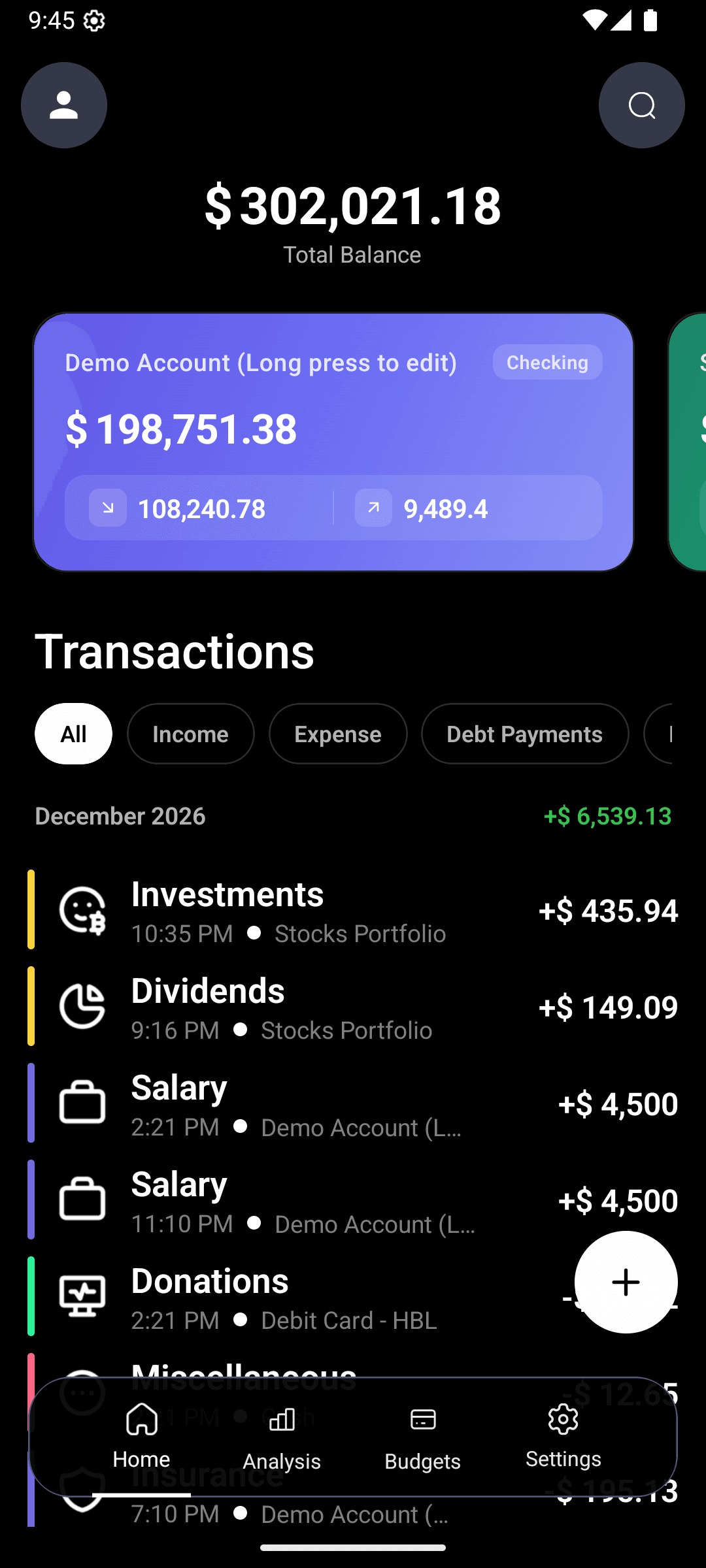
Living paycheck to paycheck isn't about being bad with money. It's usually about three things: no clear picture of where your money goes, a small amount of recurring leakage, and no buffer to absorb variance. Fix those three and the cycle breaks.
This guide is the practical playbook. We'll use the CashFlow AI method — capture, categorize, course-correct — and walk through the specific moves that get most people out within 3 months.
The real cause: invisible friction
When every expense is invisible until the credit card statement lands, spending drifts. A $14 subscription here, a $60 overdraft there, $120 in small DoorDash orders you barely remember. Add those up across a year and it's often $3,000–$5,000 of friction.
That's usually enough to turn paycheck-to-paycheck into paycheck-plus-a-buffer. The money is already there — you just can't see it yet.
Week 1: capture everything
For the first seven days, your only job is to log every transaction. Don't change any behavior. Don't restrict anything. Just see.
Install CashFlow AI (it's free on Android). For every spend, open the app and type it — "lunch $14 at Chipotle," "gas $42," "coffee $5.50." It takes five seconds.
By Friday, two things will have happened:
- The act of logging will have already cut 10–20% of impulsive spending. You're not restricting; you're just noticing.
- You'll have a real picture of your week for the first time, maybe ever.
Week 2: spot the leakage
After ten days of data, open the analytics view. Three categories tend to jump out:
- Subscriptions — streaming, apps, memberships you forgot. Cancel the ones you don't actually use.
- Food-at-the-edges — delivery, vending, airport-style convenience buys. Not restaurant meals, not cooking at home, but the in-between.
- "Convenience money" — ride-shares you could've avoided, small Amazon orders, gas-station snacks.
These are the leakage categories. Nothing dramatic lives here. Cut each by half and you're usually talking about $150–$400 of found money per month.
Don't touch the categories you genuinely enjoy. That's not the point. Leakage is the stuff that wasn't even giving you pleasure.
Week 3: the $500 cushion
With the first bit of leakage recovered, start a second "account" in the app — call it "Cushion." Every week, the money you didn't spend on leakage moves there.
The first goal is $500. That's enough to absorb most of the small variance that causes paycheck-to-paycheck stress: a tire, a copay, a surprise bill. It's not an emergency fund yet, but it's the thing that stops each month from being a near-miss.
Most people hit $500 within 4–6 weeks.
Week 4 and beyond: the one-month buffer
Once the $500 is in place, the second goal is one month of essential expenses. From the app's analytics, you'll have a reliable number for your monthly essentials (rent + utilities + groceries + transport + debt minimums).
Target: that number, sitting in a high-yield savings account, untouched.
This is where the game changes. Once you have a month buffer, every paycheck becomes next month's money — and for most people, that's the psychological turning point out of paycheck-to-paycheck living.
Typical timeline: 6–9 months for median US earners, shorter if leakage was high.
The three habits that keep you out
Habit 1: the daily capture
Log every expense, same day, no exceptions. If you skip a week, don't try to reconstruct — just pick up today. The habit is the point; the completeness is a byproduct.
In CashFlow AI this takes about 30 seconds a day.
Habit 2: the Friday glance
Friday morning, open the budget screen. You're looking for one thing: is anything trending toward red? If yes, decide what the next 7 days look like. If no, close the app.
This is a 30-second habit. Don't turn it into a spreadsheet review.
Habit 3: the monthly brief
On the 1st of each month, read the Pro monthly insights (or if you're on Free, spend 10 minutes in the analytics view). Cancel one subscription. Adjust one budget. Set one intention for the month. Done.
What about debt?
If you're carrying high-interest debt (credit cards, payday loans), the paycheck-to-paycheck cycle feels worse but the playbook is the same — capture first, leakage second, cushion third. Debt payoff happens in parallel with buffer-building.
For the debt-specific playbook, see how to get out of debt with an AI budget.
Common failure modes
"I logged for a week and it was depressing."
That's normal, and it's the whole point. Depressing clarity is infinitely more useful than vague anxiety. Let it be uncomfortable for two weeks. By week three you'll be making decisions instead of worrying.
"I can't stay consistent with logging."
The most common reason: the app you tried asks for too many taps per entry. Try typing — literally one sentence — and see if the cost-per-log drops low enough.
"I hit $500 and quit the habit."
This is the other common failure. Hit the first goal, feel better, stop logging, regress within 3 months. Set a second goal before you hit the first, and the streak keeps going.
FAQ
Answers to common questions appear in the FAQ block above.
Download CashFlow AI free on Android. If you want the monthly AI brief that tracks your progress for you, Pro adds the conversational agent and the insights report.
More guides:
FAQ
How long does it take to break the paycheck-to-paycheck cycle?+
For most people, the awareness shift happens in 3–4 weeks. The financial shift — a small cushion in savings — typically takes 2–3 months. A real buffer (1 month of expenses) takes 6–9 months for median earners.
Do I need to cut all my 'fun' spending?+
No. The goal isn't deprivation; it's clarity. In most paycheck-to-paycheck situations, 10–20% of spending is friction leakage — small recurring charges, forgotten subscriptions, and drift — that you can recover without touching anything you actually enjoy.
What if I genuinely don't earn enough?+
Sometimes the math truly doesn't work — rising rent, stagnant wages, medical costs. If you've captured every expense and the shortfall is real, the problem is income, not budgeting. In that case the app still helps: it gives you the numbers you need to make a case for a raise, negotiate a bill, or plan a career move.